


Please Leave Us A Message
Privacy statement: Your privacy is very important to Us. Our company promises not to disclose your personal information to any external company with out your explicit permission.
 Wuxi Hengda Chemical Machinery Co., Ltd.
English


A pressure vessel is a specialized industrial container designed to hold gases or liquids at a pressure substantially different from the ambient pressure. These critical components are engineered to withstand internal stresses and ensure operational safety in high-pressure environments.
In chemical processing, energy production, and pharmaceutical manufacturing, pressure vessels serve as the backbone of process efficiency. Whether used for storage, heat exchange, or chemical reactions, selecting the right pressure vessel design is essential for maintaining plant integrity and regulatory compliance.
At Wuxi Hengda Chemical Machinery Co., Ltd., we specialize in manufacturing high-performance pressure vessels that meet rigorous international standards. Our expertise spans from basic storage tanks to complex reactor systems, ensuring your facility operates with maximum reliability and safety.
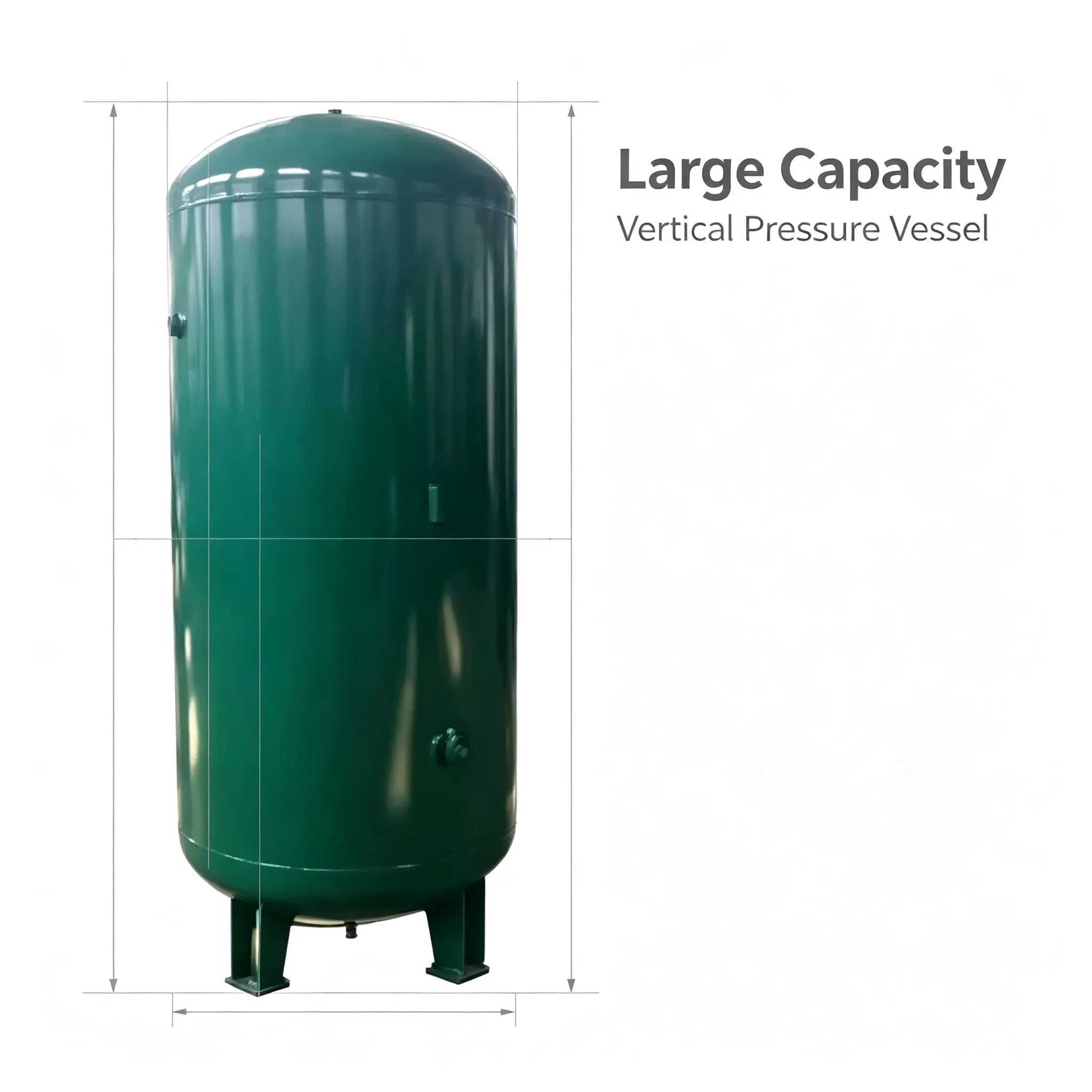
With over 20 years of dedication, Wuxi Hengda has established itself as a leader in pressure vessel manufacturing. Our 20,000 square meter facility in Wuxi, Jiangsu, is equipped with state-of-the-art CNC machinery including plasma cutting machines, boring and milling machines, and gantry machining centers.
Our commitment to quality is reflected in our certifications, including the production license for pressure vessels and radiation safety license. We utilize CFD fluid software for designing stirring systems, which have earned national patents, ensuring optimal performance for your specific application requirements.
Selecting the ideal pressure vessel requires careful consideration of multiple technical and commercial factors. As a procurement specialist, you must evaluate not just the initial cost, but the total lifecycle value of the equipment.
Ensure the vessel material (stainless steel, titanium, alloy) is compatible with your process fluids to prevent corrosion and contamination.
Verify that the vessel's design pressure exceeds your maximum operating pressure by a safe margin, accounting for thermal expansion and surge pressures.
Confirm that the manufacturer holds valid pressure vessel production licenses and adheres to ASME, PED, or GB standards relevant to your region.
Prioritize suppliers with proven track records in your specific industry, such as chemical processing or pharmaceutical manufacturing.
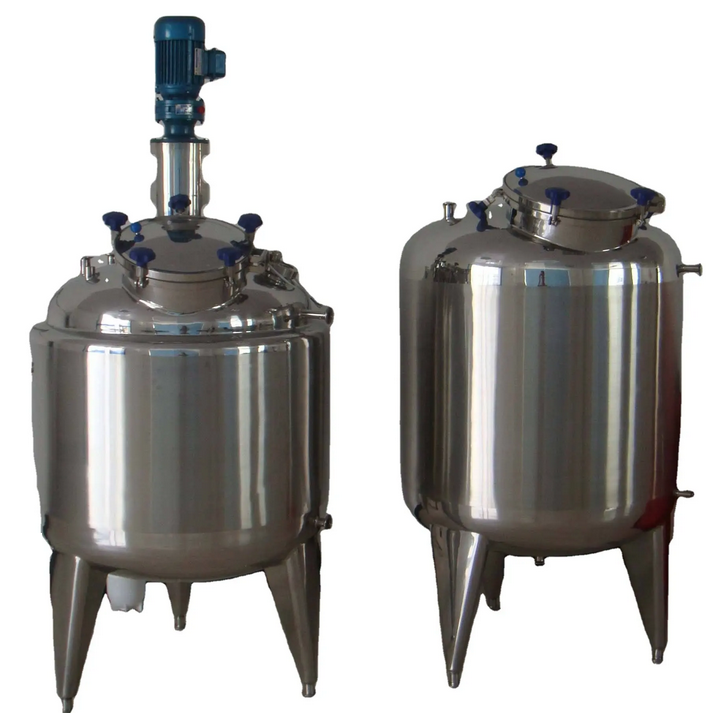
Use this comprehensive checklist to streamline your procurement process and ensure you select the most suitable pressure vessel supplier and product for your needs.
When sourcing pressure vessels, partnering with an experienced manufacturer like Wuxi Hengda Chemical Machinery Co., Ltd. offers distinct advantages. Here's why global buyers choose us:
With over 70% market share in unsaturated resin equipment and clients like BASF and Solvay, our reputation speaks for itself. We understand the unique demands of chemical processing applications.
Our investment in CNC plasma cutting, automatic welding machines, and gantry machining centers ensures consistent quality and precision that meets the most stringent industry standards.
From heat exchangers and storage tanks to complex reactors and pressure vessels, we offer integrated solutions that simplify your procurement workflow and reduce supply chain complexity.
Our philosophy of "survival through quality and development through credibility" drives every decision we make. From CFD-optimized stirring systems to automated production lines, we combine innovation with reliability to deliver pressure vessels that perform consistently in demanding environments.
Understanding common challenges in pressure vessel procurement helps buyers avoid costly mistakes and ensure smooth project execution.
Problem: Using incorrect materials leads to premature failure, leaks, and potential safety hazards.
Solution: Specify materials based on detailed chemical compatibility analysis. Request mill test reports and material certificates from your supplier to verify composition.
Problem: Missing NDE reports, hydrotest records, or certification documents cause delays during commissioning and regulatory inspections.
Solution: Require a comprehensive documentation package upfront, including weld maps, inspection reports, and material traceability records.
Problem: Operating vessels beyond their design limits creates serious safety risks and voids insurance coverage.
Solution: Conduct thorough process simulations to determine peak operating conditions, including thermal transients and surge pressures. Select vessels with appropriate safety margins.
Problem: Custom pressure vessels often experience extended lead times, disrupting project schedules.
Solution:: Partner with manufacturers who have proven production capabilities and inventory management systems. Establish clear milestone checkpoints throughout the manufacturing process.
Legitimate pressure vessel manufacturers must hold a valid pressure vessel production license issued by relevant regulatory authorities. Additionally, ISO 9001 quality management certification demonstrates commitment to consistent quality processes. Depending on your industry and location, additional certifications such as ASME U Stamp, PED conformity, or radiation safety licenses may be required.
Lead times vary based on vessel complexity, size, and current production queue. Standard storage tanks typically require 4-8 weeks, while complex reactors or heat exchangers may take 8-16 weeks. At Wuxi Hengda, our automated production lines and experienced workforce help minimize delays while maintaining quality standards.
Common materials include carbon steel (SA-516), stainless steel (304, 316L), titanium, and various alloy compositions. The selection depends on process temperature, pressure, and chemical compatibility. Our engineering team can assist in material selection based on your specific application requirements.
Yes, we specialize in custom-engineered pressure vessels tailored to your exact process requirements. This includes custom agitator designs using CFD simulation, specialized heat exchange configurations, and unique nozzle arrangements. Our experience with unsaturated polyester resin equipment demonstrates our capability to handle specialized chemical processing applications.
All pressure vessels undergo rigorous testing including hydrostatic pressure tests, pneumatic leak tests, non-destructive examination (RT, UT, MT, PT), and dimensional verification. Detailed test reports and certification documents are provided with each shipment to support your quality assurance and regulatory compliance requirements.
Regular inspection should include visual examinations, thickness measurements, and periodic hydrostatic retesting as required by local regulations. We recommend establishing a preventive maintenance program that includes routine monitoring of pressure relief devices, corrosion protection systems, and structural integrity assessments.
Contact

Send Inquiry
PRODUCT CATEGORIES
FOLLOW US
Privacy statement: Your privacy is very important to Us. Our company promises not to disclose your personal information to any external company with out your explicit permission.
Fill in more information so that we can get in touch with you faster
Privacy statement: Your privacy is very important to Us. Our company promises not to disclose your personal information to any external company with out your explicit permission.