


Please Leave Us A Message
Privacy statement: Your privacy is very important to Us. Our company promises not to disclose your personal information to any external company with out your explicit permission.
 Wuxi Hengda Chemical Machinery Co., Ltd.
English


A double tube sheet heat exchanger is a specialized industrial component designed for high-risk environments where fluid contamination must be strictly prevented. Unlike standard units with a single barrier between fluids, this design incorporates two distinct tube sheets and an intermediate vented space.
This configuration provides a redundant safety layer. If the inner tubes fail, the process fluid leaks into the sealed cavity rather than mixing with the utility side. This feature is critical for industries like pharmaceuticals, food processing, and high-purity chemicals, ensuring that your production quality remains uncompromised even in the event of equipment failure.
Established in 1996, Wuxi Hengda Chemical Machinery Co., Ltd. has over 25 years of experience in designing and manufacturing reactors, heat exchangers, and pressure vessels. Our facility spans over 20,000 square meters and is equipped with advanced CNC machinery, including plasma cutting, boring and milling machines, and automatic welding systems.
We are recognized as a high-tech enterprise and hold a "specialized, refined, distinctive, and innovative" status. Our stirring systems utilize CFD fluid software for patented designs, ensuring optimal performance and energy efficiency for your operations.
Trusted by Global Leaders: We supply world-class chemical companies such as BASF and Solvay, maintaining a dominant market share in unsaturated resin equipment across China.
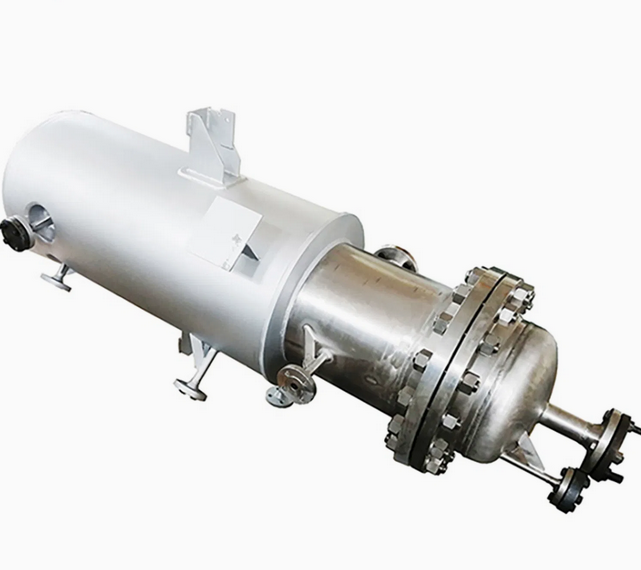
Our production lines utilize CNC plasma cutting, gantry machining centers, and automatic argon arc welding machines. This automation minimizes human error and ensures consistent precision in every double tube sheet heat exchanger we build.
We hold a production license for pressure vessels and a radiation safety license. Our strict adherence to national and international standards guarantees that our equipment meets the highest safety and quality benchmarks.
With over 70% market share in unsaturated resin equipment and partnerships with global giants like BASF and Solvay, our reputation for reliability and durability is unmatched in the industry.
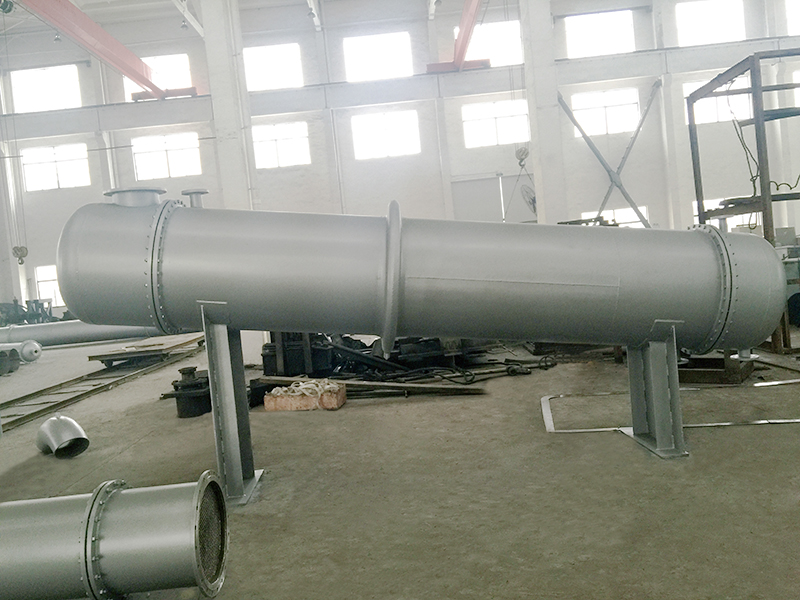
Selecting the right unit requires balancing technical specifications with operational goals. Consider the following factors:
Partner with Experts: Working with a manufacturer who understands these complexities, like Wuxi Hengda, ensures you get a custom-engineered solution tailored to your specific application.
Verify material certifications for all wetted parts. Confirm that the tube sheet thickness meets ASME or relevant code requirements for your pressure rating.
Ensure the interstitial space is properly designed with vents and drains for monitoring. A reliable leak detection system is crucial for early warning of tube failure.
Check if the manufacturer has experience with similar industries. Look for evidence of advanced manufacturing capabilities, such as automated welding and CFD analysis.
Assess the supplier's ability to provide spare parts, technical support, and maintenance guidance. A long-term partnership reduces downtime risks.
Request details on hydrostatic testing and leak testing procedures performed before shipment. Rigorous factory acceptance tests ensure initial reliability.
Consider not just the purchase price, but also energy efficiency, maintenance costs, and expected lifespan. High-quality units often offer lower TCO.
When sourcing double tube sheet heat exchangers, choose suppliers who invest in R&D. Look for manufacturers using CFD software for design optimization and holding patents for their technologies.
Why it matters: Advanced design leads to better thermal performance and longer equipment life, reducing your operational costs.
Select a supplier with a proven track record in your specific industry. A manufacturer supplying companies like BASF and Solvay demonstrates the capability to meet stringent global standards.
Benefit: You gain confidence in their ability to handle complex requirements and deliver consistent quality.
Look for suppliers with large-scale facilities and automated production lines. This ensures they can handle large orders and maintain tight tolerances.
Impact: Consistent quality and reliable delivery schedules minimize supply chain disruptions.
Ensure the supplier holds necessary certifications, such as pressure vessel production licenses. Ask about their quality control processes, including material traceability and testing procedures.
Value: Comprehensive QA reduces the risk of defects and ensures compliance with safety regulations.
Many buyers opt for single tube sheet exchangers to save upfront costs, ignoring the risk of fluid mixing. In sensitive applications, this can lead to product contamination, environmental hazards, and costly shutdowns.
Solution: Always conduct a thorough risk assessment. For hazardous fluids, the investment in a double tube sheet design is justified by the prevention of catastrophic failures.
Some designs make it difficult to inspect the interstitial space or replace tubes. This leads to prolonged downtime during maintenance.
Solution: Specify features that facilitate easy access for inspection and cleaning. Discuss maintenance requirements with your supplier during the design phase.
Working with suppliers who lack experience in double tube sheet technology can result in suboptimal designs and poor performance.
Solution: Choose established manufacturers with a history of successful projects in your industry. Verify their technical capabilities and customer references.
Failing to plan for how to monitor the interstitial space renders the double tube sheet design less effective.
Solution: Integrate proper venting and drainage systems into your plant design. Regularly monitor the interstitial space for any signs of leakage.
Used in reactions involving corrosive or toxic chemicals. The double tube sheet prevents cross-contamination between different chemical streams, ensuring process purity and safety.
Critical for sterile processing where any contamination can compromise drug safety. The design allows for rigorous cleaning and sterilization protocols.
Ensures hygiene standards are met by preventing lubricants or cleaning agents from contacting food products. Essential for pasteurization and cooling processes.
Used in condensers and cooling systems where water quality must be maintained. Prevents coolant leakage into the process loop, protecting turbines and other sensitive equipment.
Handles high-pressure and high-temperature fluids. The robust design withstands harsh conditions while providing an extra layer of safety against leaks.
In large-scale commercial HVAC, prevents refrigerant leakage into water loops, maintaining system efficiency and reducing environmental impact.
The primary advantage is enhanced safety. It provides two barriers between the process and utility fluids. If one barrier fails, the second barrier contains the leak, preventing cross-contamination and potential hazards.
The interstitial space is the annular region between the inner and outer tube sheets. It is vented and drained to allow for monitoring and detection of any leaks from the inner tube bundle.
Yes, the initial cost is higher due to additional materials and complex manufacturing. However, the reduced risk of contamination and potential downtime often results in a lower total cost of ownership.
Yes, the space is designed with vents and drains specifically for leak detection. Sensors or visual inspections can be used to monitor for any presence of process fluid, indicating a tube failure.
Industries with strict hygiene or safety standards, such as pharmaceuticals, food processing, chemicals, and nuclear power, typically mandate the use of double tube sheet heat exchangers.
Contact

Send Inquiry
PRODUCT CATEGORIES
FOLLOW US
Privacy statement: Your privacy is very important to Us. Our company promises not to disclose your personal information to any external company with out your explicit permission.
Fill in more information so that we can get in touch with you faster
Privacy statement: Your privacy is very important to Us. Our company promises not to disclose your personal information to any external company with out your explicit permission.