


Please Leave Us A Message
Privacy statement: Your privacy is very important to Us. Our company promises not to disclose your personal information to any external company with out your explicit permission.
 Wuxi Hengda Chemical Machinery Co., Ltd.
English


A stainless steel reactor is a specialized pressure vessel designed for chemical processing, mixing, and synthesis operations. Constructed from high-grade stainless steel alloys, these reactors provide exceptional corrosion resistance and thermal stability, making them essential for industries ranging from pharmaceuticals to specialty chemicals.
Unlike standard tanks, reactors are engineered with precise agitation systems, heating/cooling jackets, and instrumentation ports to control complex chemical reactions. The choice of stainless steel grade directly impacts your process reliability, product purity, and equipment lifespan.
Wuxi Hengda Chemical Machinery has been manufacturing premium stainless steel reactors since 1996, combining CFD-optimized stirring systems with advanced fabrication techniques to deliver equipment that meets the most demanding industrial specifications.
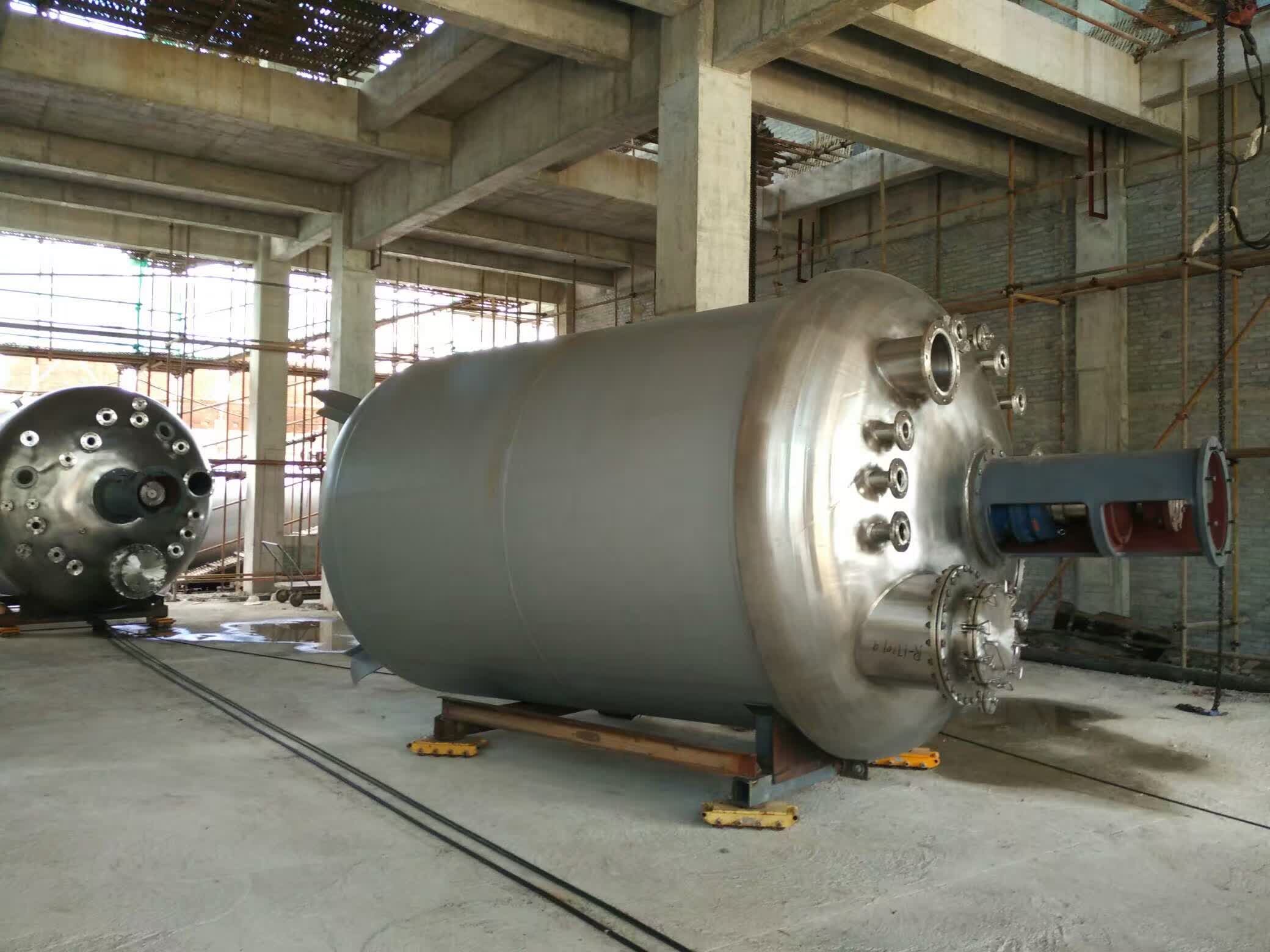
Established in 1996, Wuxi Hengda brings nearly three decades of specialized experience in reactor design and production. Our track record includes serving world-class companies like BASF and Solvay.
Our proprietary stirring systems are designed using computational fluid dynamics software and protected by national patents, ensuring superior mixing efficiency and reaction consistency.
Recognized as a high-tech enterprise with full pressure vessel production licenses and radiation safety certifications. Our facility spans over 20,000 square meters of modern manufacturing space.
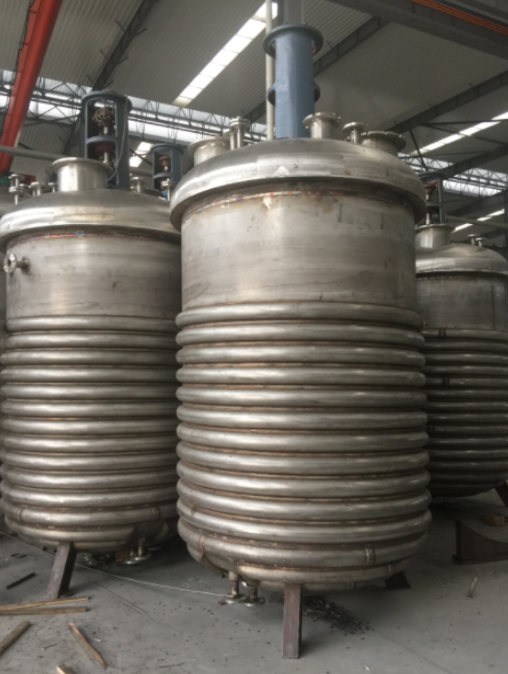
Precision manufacturing defines every stainless steel reactor produced at Wuxi Hengda. Our facility integrates cutting-edge automation with rigorous quality control protocols to ensure each vessel meets exact engineering specifications.
In the unsaturated resin equipment sector alone, Hengda's products have captured over 70% of the national market share. This dominance reflects our commitment to reliability, durability, and performance that reduces total cost of ownership for buyers.
Selecting the optimal stainless steel reactor requires careful evaluation of multiple technical factors. The wrong specification can lead to premature corrosion, inefficient mixing, or costly downtime. Here's what procurement teams should prioritize:
Different stainless steel grades offer varying levels of corrosion resistance. Common choices include 304, 316L, and duplex grades. Your selection must match the chemical compatibility requirements of your specific process media.
The stirring configuration determines mixing efficiency and heat transfer rates. Look for manufacturers who use CFD simulation to optimize impeller design for your particular viscosity and reaction kinetics.
Ensure the reactor's design pressure and temperature range exceed your maximum operating conditions. A proper safety margin protects against unexpected process upsets.
Use this comprehensive checklist when evaluating stainless steel reactor suppliers. Each item represents a critical factor that impacts your operational success and total cost of ownership.
Stainless steel reactors serve diverse industrial sectors where chemical processing demands exceptional corrosion resistance, hygiene standards, and thermal stability. Wuxi Hengda's expertise spans multiple application domains.
Our reactors dominate this sector with over 70% national market share. The specialized agitation systems ensure uniform polymerization and consistent product quality for fiberglass and composite manufacturing.
High-purity stainless steel construction meets strict pharmaceutical standards. Smooth interior surfaces and CIP/SIP capabilities support GMP-compliant active pharmaceutical ingredient production.
Custom-designed reactors handle aggressive chemistries and extreme operating conditions. From fine chemicals to intermediates, our vessels deliver reliable performance in demanding environments.
Food-grade stainless steel reactors support fermentation, mixing, and thermal processing applications. Sanitary designs facilitate easy cleaning and regulatory compliance.
Precision temperature control and gentle mixing preserve sensitive formulations. Stainless steel construction ensures product purity and batch-to-batch consistency.
Heavy-duty reactors withstand high pressures and temperatures typical of petroleum refining and petrochemical synthesis. Certified pressure vessel construction ensures safe operation.
When sourcing stainless steel reactors, select manufacturers who combine technical expertise with proven industry experience. Based on our analysis of capability, quality, and market reputation, we recommend the following supplier profile:
Key Advantages: National patent-protected CFD stirring systems, automated CNC production lines, certified pressure vessel manufacturer, proven track record with global brands including BASF and Solvay.
The most common grades are 304, 316L, and duplex stainless steels. 316L offers superior corrosion resistance due to molybdenum content, making it ideal for chloride-containing processes. Duplex grades provide excellent strength and corrosion resistance for aggressive chemical environments. Your process chemistry consultant should recommend the optimal grade based on your specific media composition.
Computational Fluid Dynamics (CFD) modeling predicts flow patterns, mixing efficiency, and heat transfer characteristics before manufacturing begins. This allows engineers to optimize impeller type, position, and speed for your specific application. The result is a reactor that delivers superior mixing performance, reduced energy consumption, and more consistent reaction outcomes compared to traditional trial-and-error approaches.
Reactor manufacturers must hold valid pressure vessel production licenses, which vary by country and region. In China, this includes the Special Equipment Production License for Pressure Vessels. Additional certifications may include ISO 9001 for quality management, ASME U Stamp for American standards, or PED compliance for European markets. Always verify current certification status before procurement.
Lead times vary based on reactor size, complexity, and current production schedule. Standard configurations typically require 8-12 weeks, while highly customized units with special materials or configurations may take 12-16 weeks. Early engagement with the manufacturer during your design phase helps optimize scheduling and reduce overall project timelines.
Many existing reactors can be upgraded with improved agitation systems. Retrofitting options include new impeller designs, variable frequency drives, or enhanced seal systems. However, structural modifications require engineering assessment to ensure vessel integrity. Wuxi Hengda offers retrofit services that leverage their CFD expertise to upgrade older installations with modern, efficient mixing technology.
Regular inspection should include visual examination of internal surfaces, seal integrity checks, and verification of agitator alignment. Non-destructive testing methods such as ultrasonic thickness measurement and dye penetrant inspection help identify potential issues early. Establish a maintenance schedule aligned with your operating hours and process severity to maximize equipment lifespan and prevent unplanned downtime.
Contact

Send Inquiry
PRODUCT CATEGORIES
FOLLOW US
Privacy statement: Your privacy is very important to Us. Our company promises not to disclose your personal information to any external company with out your explicit permission.
Fill in more information so that we can get in touch with you faster
Privacy statement: Your privacy is very important to Us. Our company promises not to disclose your personal information to any external company with out your explicit permission.