


Please Leave Us A Message
Privacy statement: Your privacy is very important to Us. Our company promises not to disclose your personal information to any external company with out your explicit permission.
 Wuxi Hengda Chemical Machinery Co., Ltd.
English


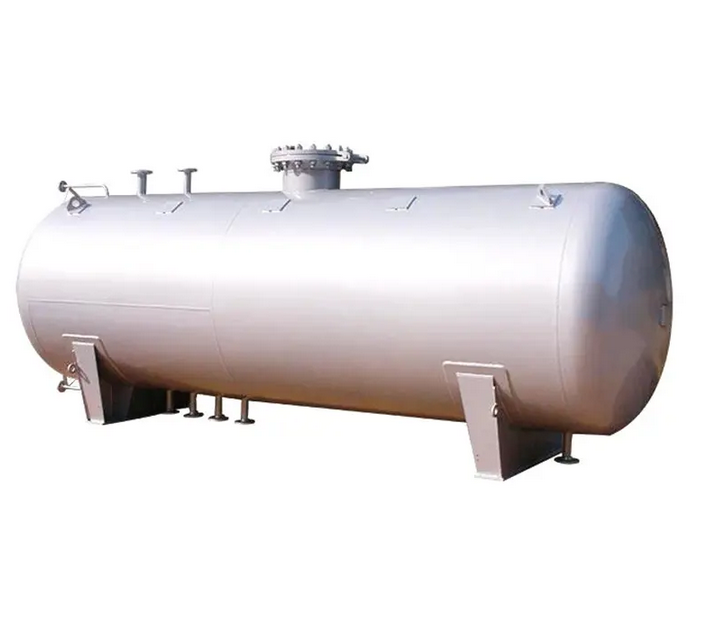
An industrial alcohol tank is a specialized pressure vessel or storage container engineered for the safe handling, processing, and storage of ethanol, methanol, and other industrial alcohols. These tanks are critical components in chemical manufacturing facilities, pharmaceutical production lines, and fuel blending operations where precise temperature control and material compatibility are essential.
Unlike standard storage drums, industrial alcohol tanks are built to withstand specific operating pressures, temperatures, and corrosive environments. They feature advanced stirring systems, heating/cooling jackets, and precision instrumentation to maintain product quality throughout the storage and processing cycle. For procurement buyers, selecting the right alcohol tank means ensuring regulatory compliance, operational safety, and long-term reliability in your chemical processing workflow.
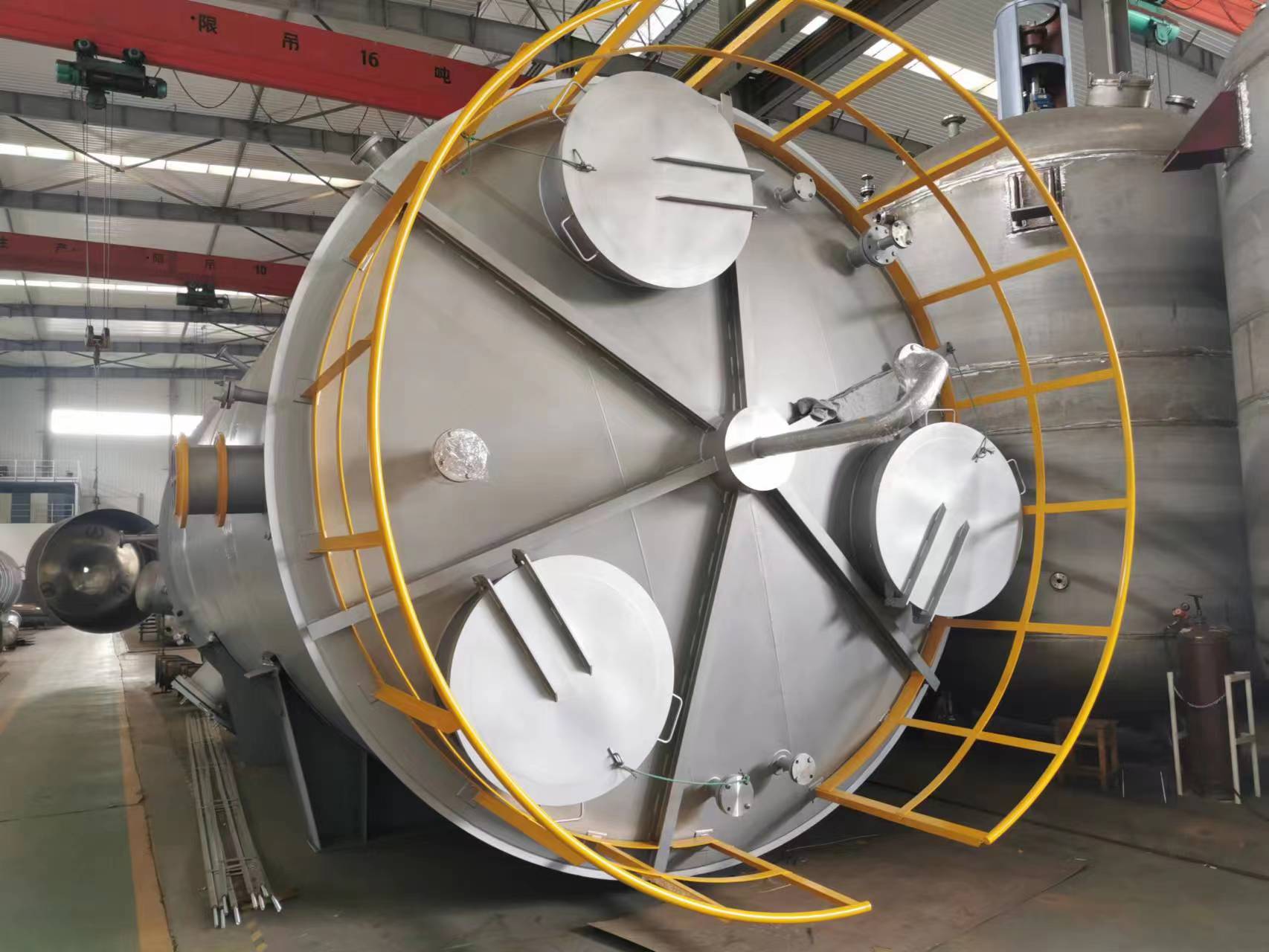
Wuxi Hengda Chemical Machinery Co., Ltd. brings over 20 years of expertise in reactor and pressure vessel manufacturing to every industrial alcohol tank produced. Established in 1996 and covering more than 20,000 square meters, the company has become a leader in China's chemical machinery industry, particularly in unsaturated polyester resin equipment where their products hold over 70% national market share.
The factory employs state-of-the-art CNC equipment including plasma cutting machines, boring and milling machines, gantry machining centers, and automatic welding systems. This automation ensures consistent quality across all industrial alcohol tank productions while significantly increasing production efficiency. Each tank undergoes rigorous quality control processes to meet international pressure vessel standards.
Hengda's reactors and alcohol tanks feature stirring systems designed using CFD fluid software, backed by national patents. This technology optimizes mixing efficiency and ensures uniform temperature distribution throughout the tank contents, which is critical for maintaining alcohol quality during storage and processing operations.
The company holds production licenses for pressure vessels and radiation safety licenses, demonstrating compliance with Chinese regulatory requirements. As a certified high-tech enterprise and "specialized, refined, distinctive, and innovative" company, Hengda meets the highest industry standards for industrial alcohol tank manufacturing.
Selecting the correct industrial alcohol tank supplier requires careful evaluation of technical capabilities, industry experience, and proven track record. With numerous manufacturers claiming similar capabilities, buyers need a structured approach to identify suppliers who can deliver reliable, compliant equipment that meets their specific operational requirements.
Evaluate the supplier's engineering team qualifications, CFD simulation capabilities, and patent portfolio. Suppliers like Hengda who invest in computational fluid dynamics software for stirring system design demonstrate commitment to technical innovation. Ask about their experience with similar alcohol processing applications and request case studies from comparable installations.
Visit the manufacturing facility when possible to assess equipment modernization, automation levels, and quality control procedures. Suppliers with CNC plasma cutting, automatic welding systems, and precision machining centers typically produce higher-quality tanks with better consistency. Verify their production capacity matches your project timeline requirements.
Research the supplier's client base and industry recognition. Companies serving global chemical leaders like BASF and Solvay have demonstrated their ability to meet international quality standards. Check for certifications, awards, and market share data that validate their competitive position in the industrial alcohol tank sector.
Verify the supplier holds valid pressure vessel production licenses and radiation safety certifications required for your jurisdiction.
Confirm tank materials are compatible with your specific alcohol type, concentration, and operating temperature range.
Request CFD simulation results for stirring systems to ensure optimal mixing performance for your application.
Assess the manufacturer's use of CNC equipment and automated welding systems for consistent quality output.
Request references from similar chemical companies and verify their satisfaction with delivered equipment.
Ensure the supplier's facility size and equipment count can handle your order volume within required timelines.
Prioritize suppliers with 15+ years of experience in chemical machinery manufacturing. Long-established companies like Hengda have refined their processes through decades of continuous operation and market adaptation.
Choose suppliers who serve international chemical companies such as BASF and Solvay. Their ability to meet global standards demonstrates superior quality management and technical capability for industrial alcohol tank production.
Select manufacturers recognized as high-tech enterprises with patented technologies. Innovation-driven suppliers offer better long-term value through improved efficiency, reduced maintenance costs, and enhanced operational performance.
Consider suppliers with dominant market positions in specific applications. A 70%+ market share in related equipment indicates strong customer trust and proven reliability for industrial alcohol tank solutions.
Alcohol storage and processing for drug synthesis, extraction processes, and solvent recovery systems requiring precise temperature control and contamination prevention.
Storage and reaction vessels for unsaturated polyester resin production, chemical intermediate processing, and specialty chemical manufacturing applications.
Ethanol storage and blending operations for renewable fuel manufacturing, requiring corrosion-resistant materials and precise volume measurement capabilities.
High-purity alcohol storage for cosmetic formulation, requiring sterile conditions and contamination-free processing environments.
Problem: Selecting tank materials that corrode or react with specific alcohol types, leading to contamination and equipment failure.
Solution: Work with suppliers who conduct material compatibility testing and provide detailed specifications for each alcohol type they handle.
Problem: Poor stirring system design causing uneven temperature distribution and incomplete mixing in large-volume alcohol tanks.
Solution: Choose suppliers using CFD fluid software for stirring system optimization, ensuring scientifically validated mixing patterns.
Problem: Manual welding and fabrication processes producing inconsistent tank quality with potential leak points or structural weaknesses.
Solution: Partner with manufacturers employing automated welding systems and CNC machining for consistent, repeatable quality standards.
Problem: Purchasing tanks without proper pressure vessel certifications, risking regulatory violations and insurance complications.
Solution: Verify all required certifications before purchase, including pressure vessel production licenses and radiation safety permits.
The optimal material depends on your specific alcohol type, concentration, and operating conditions. Stainless steel grades 304 and 316L are commonly used for their excellent corrosion resistance and compatibility with most industrial alcohols. For highly aggressive applications, titanium or specialized alloy constructions may be necessary. Our engineering team conducts thorough material compatibility analysis based on your exact process requirements.
Tank sizing should account for your peak production requirements, storage duration preferences, and operational flexibility needs. Consider factors like batch processing cycles, inventory turnover rates, and future expansion plans. We recommend consulting with our engineers who can perform detailed process modeling to optimize tank capacity for your specific operational workflow and minimize total cost of ownership.
Certification requirements vary by jurisdiction but typically include pressure vessel design approvals, material certification, welding procedure qualifications, and non-destructive testing documentation. Major markets require ASME, PED, or equivalent local certifications. Our company holds comprehensive pressure vessel production licenses and maintains quality systems meeting international standards, simplifying your import and installation compliance process.
Standard lead times range from 8-16 weeks depending on tank complexity, size, and current production schedule. Custom designs with specialized features may require additional time for engineering validation and material sourcing. Our automated manufacturing capabilities and experienced project management team work to minimize delays while maintaining strict quality standards. Early engagement in the specification phase helps optimize production scheduling.
Computational Fluid Dynamics (CFD) simulation allows us to optimize stirring system design for maximum mixing efficiency and temperature uniformity. This scientific approach eliminates guesswork in impeller selection, baffle placement, and motor sizing. The result is tanks that deliver superior mixing performance, reduced energy consumption, and longer equipment life compared to conventionally designed alternatives. Our CFD-optimized designs have been validated through extensive field testing and customer feedback.
Yes, we have extensive experience manufacturing tanks for various specialty alcohols including isopropanol, butanol, and proprietary alcohol blends used in pharmaceutical and fine chemical applications. Each alcohol type presents unique challenges regarding corrosion resistance, flammability, and purity requirements. Our engineering team works closely with your technical staff to develop customized solutions that address these specific requirements while ensuring safe and efficient operation.
Contact

Send Inquiry
PRODUCT CATEGORIES
FOLLOW US
Privacy statement: Your privacy is very important to Us. Our company promises not to disclose your personal information to any external company with out your explicit permission.
Fill in more information so that we can get in touch with you faster
Privacy statement: Your privacy is very important to Us. Our company promises not to disclose your personal information to any external company with out your explicit permission.