


Please Leave Us A Message
Privacy statement: Your privacy is very important to Us. Our company promises not to disclose your personal information to any external company with out your explicit permission.
 Wuxi Hengda Chemical Machinery Co., Ltd.
English


Skid mounted equipment refers to pre-assembled, modular industrial units built onto a structural steel base frame (the "skid"). This design integrates pumps, vessels, heat exchangers, piping, and control systems into a single, cohesive package ready for deployment.
For procurement buyers, this modularity offers a distinct advantage: it shifts complex assembly work from your site to the manufacturer's controlled factory environment. By sourcing skid-mounted solutions, you significantly reduce on-site construction time, minimize installation risks, and accelerate your project's commissioning schedule. Whether for chemical processing, refrigeration, or heat exchange applications, these units are engineered for rapid deployment and operational efficiency.
Wuxi Hengda Chemical Machinery Co., Ltd. has specialized in the production of reactors, heat exchangers, and pressure vessels since 1996. Our manufacturing facility spans over 20,000 square meters in Wuxi, Jiangsu, supported by advanced automation and CNC equipment.
We utilize state-of-the-art machinery including CNC plasma cutting machines, gantry machining centers, and automatic welding systems to ensure precision and consistency in every skid-mounted unit. Our stirring systems are designed using CFD fluid software and hold national patents, ensuring optimal performance for viscous or complex chemical processes.
Why this matters to you: Our rigorous manufacturing standards and high-tech enterprise status mean that every component of your skid-mounted equipment meets strict quality benchmarks. This reduces your risk of field failures and ensures long-term reliability in demanding industrial environments.
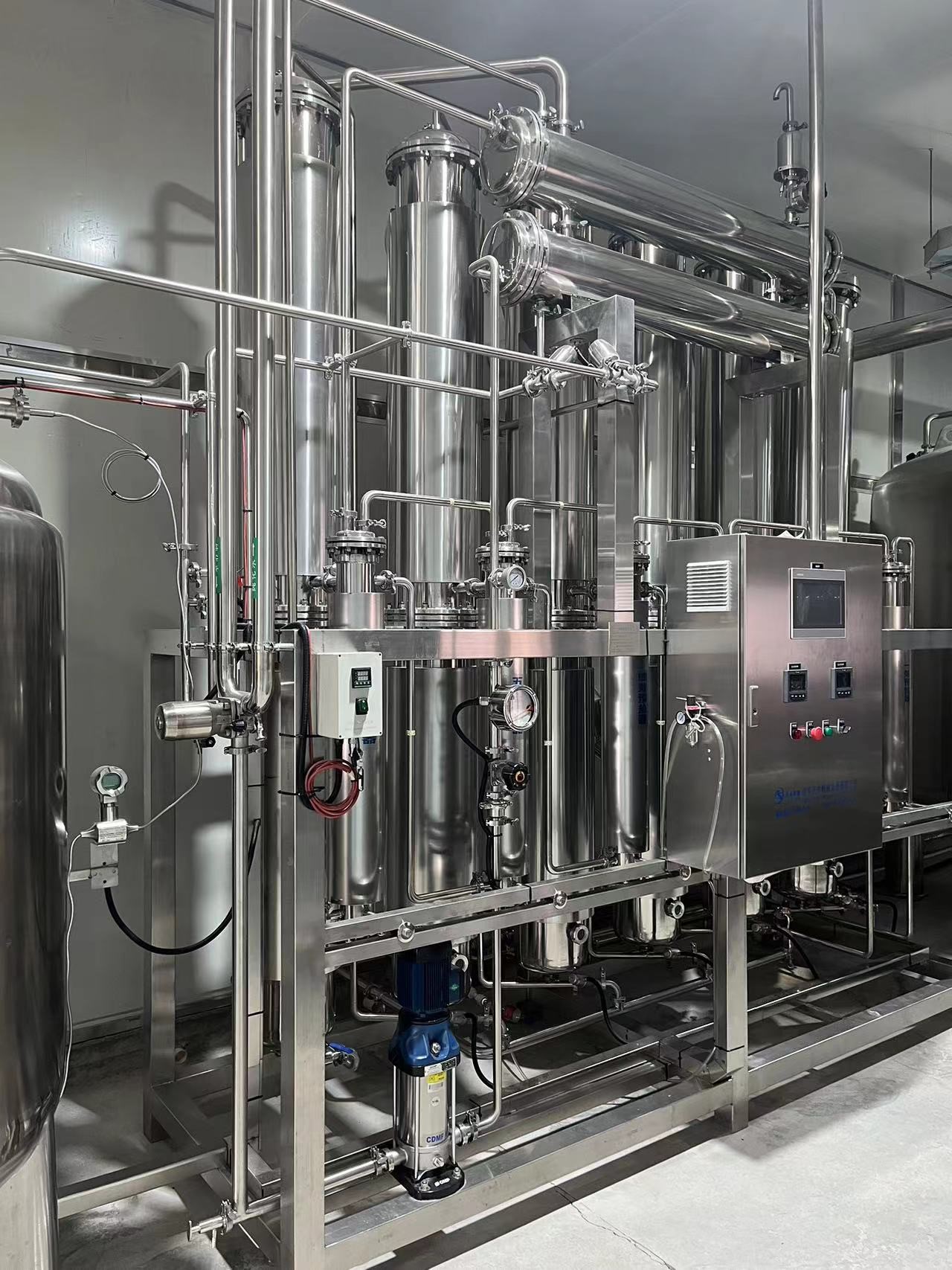
Selecting the right supplier for skid-mounted equipment requires evaluating more than just price. You must assess their engineering capabilities, material expertise, and track record in handling specific chemical processes.
Key Selection Criteria:
By prioritizing these factors, you secure a partner who delivers not just hardware, but a turnkey solution tailored to your operational needs.
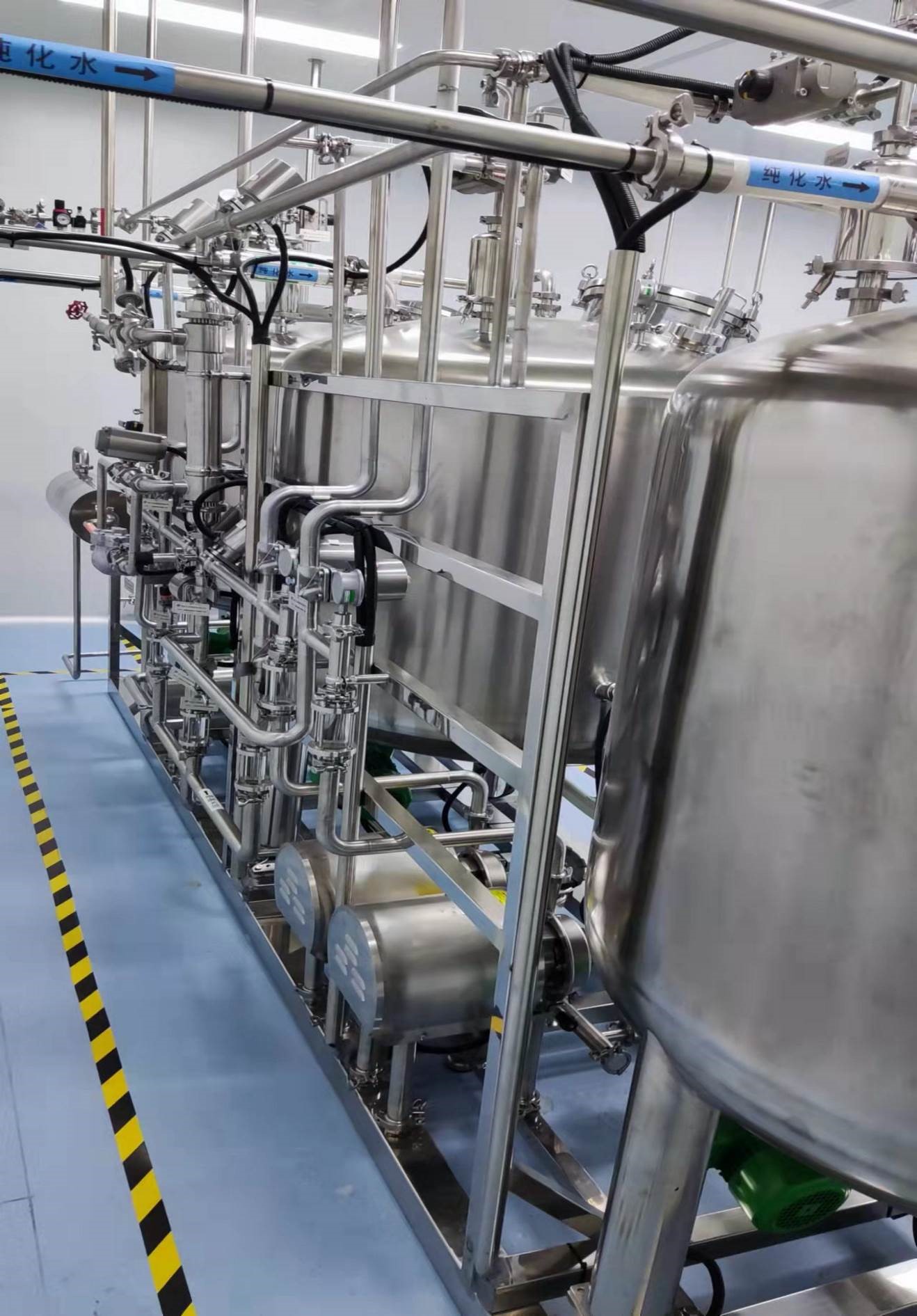
Ensure the supplier holds valid pressure vessel production licenses and radiation safety licenses if applicable.
Confirm the ability to tailor skid designs to your specific flow rates, pressure ratings, and chemical compatibility requirements.
Verify the presence of automated welding and CNC machinery to guarantee consistent build quality.
Request case studies from similar industries (e.g., chemical, pharmaceutical) to validate performance claims.
Best For: Large-scale skid-mounted reactors and heat exchangers.
With over 20 years of experience and a 70% market share in unsaturated resin equipment, they offer proven reliability and advanced CFD-designed stirring systems.
Best For: Niche chemical processing skids requiring exotic materials.
Look for manufacturers with specific expertise in titanium and alloy welding, essential for corrosive environments.
Best For: Complete plant solutions needing seamless integration.
Suppliers who offer full EPC (Engineering, Procurement, Construction) support can streamline your project timeline significantly.
Using incorrect alloys for skid frames or piping leads to rapid corrosion and premature failure. Always specify materials based on the exact chemical composition and temperature of your process fluid.
Manual welding inconsistencies can cause leaks in high-pressure skids. Prioritize suppliers who use automatic argon arc welding and CNC-controlled welding machines for superior joint integrity.
Skipping rigorous hydrostatic or pneumatic testing before shipment can lead to costly site repairs. Ensure your contract includes third-party inspection and comprehensive factory acceptance testing (FAT).
Improperly designed piping layouts can cause vibration, erosion, or inefficient flow. Request CFD simulations or P&ID reviews from your supplier to validate hydraulic performance before fabrication.
Lead times vary based on complexity, typically ranging from 8 to 16 weeks. Standardized units may ship faster, while custom-engineered skids with exotic materials require additional fabrication and testing time.
Yes. Skid-mounted systems are highly customizable. Manufacturers can adjust vessel sizes, pump capacities, piping configurations, and control systems to match your exact process requirements, including specific temperature and pressure ratings.
Depending on your region and application, you may need ASME, PED, or local pressure vessel certification. Reputable suppliers like Wuxi Hengda hold production licenses for pressure vessels and adhere to international safety standards.
Since all components are pre-assembled and tested at the factory, on-site labor for welding, alignment, and piping is drastically reduced. This minimizes downtime and accelerates your time-to-market.
Common materials include carbon steel for frames, and stainless steel, titanium, or nickel alloys for vessels and piping, depending on corrosion resistance needs. The choice depends on the chemical nature of the fluid being processed.
Contact

Send Inquiry
PRODUCT CATEGORIES
FOLLOW US
Privacy statement: Your privacy is very important to Us. Our company promises not to disclose your personal information to any external company with out your explicit permission.
Fill in more information so that we can get in touch with you faster
Privacy statement: Your privacy is very important to Us. Our company promises not to disclose your personal information to any external company with out your explicit permission.